
Prepare your vehicle and your plan.
Think through the route, forecast, vehicle readiness, and supplies before setting out. The book emphasizes recognizing when a trip should be delayed.
A practical winter driving book
Essential Skills for Safe and Confident Winter Driving
Snow, ice, and changing visibility can turn an ordinary trip into a series of difficult decisions. Jayson Simmons's book helps drivers think through road conditions, vehicle readiness, traction, skids, and what to do when a trip does not go to plan.
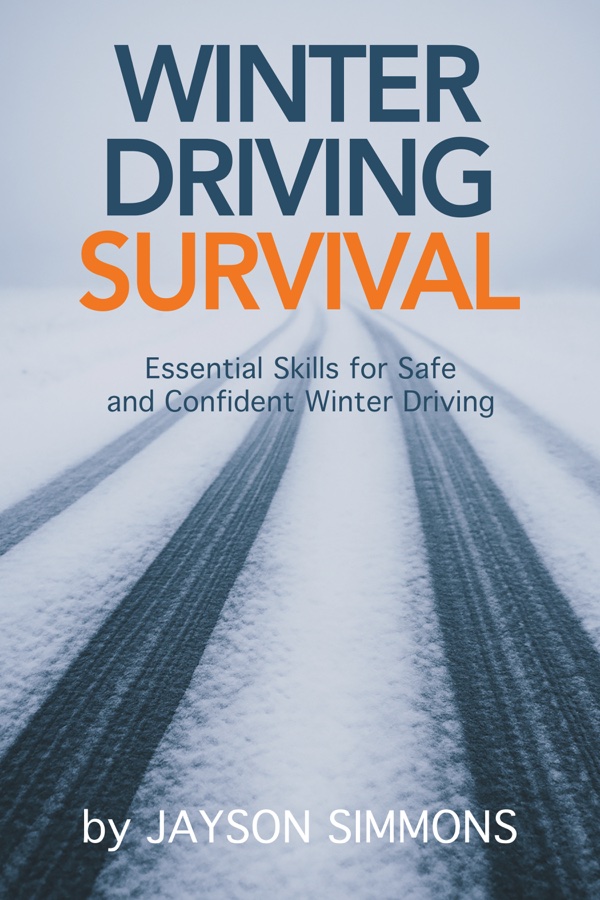
Inside the book
This winter driving book focuses on preparation and the decisions drivers face when conditions change. It covers the road before departure, the feel of snow and ice beneath the tires, and the point when stopping or asking for help is the better choice.
Think through the route, forecast, vehicle readiness, and supplies before setting out. The book emphasizes recognizing when a trip should be delayed.
Explore snow, ice, slush, and reduced visibility, along with how traction can change and what drivers should consider when a vehicle begins to slide.
The book also addresses getting stuck, deciding when to stop trying to self-recover, and staying prepared while waiting for assistance.
A useful starting point
The book returns to decisions a driver can make before conditions become urgent. Use these questions to start your own pre-trip check.
These prompts reflect the book's approach and align with NHTSA's winter driving guidance. Check local road advice and your vehicle owner's manual for your situation.
A guide to keep close
Winter Driving Survival is written for drivers who want to prepare for snow and ice, review their decisions before a winter trip, or discuss winter travel with someone they care about. It is a book to read before conditions become urgent.
For current road and vehicle guidance, also check your local transportation agency, weather service, and vehicle owner's manual. The National Highway Traffic Safety Administration's winter driving tips are a useful companion.
Available now
Choose the paperback or Kindle edition on the book's Amazon page. The New Driver Edition arrives October 10, 2026.